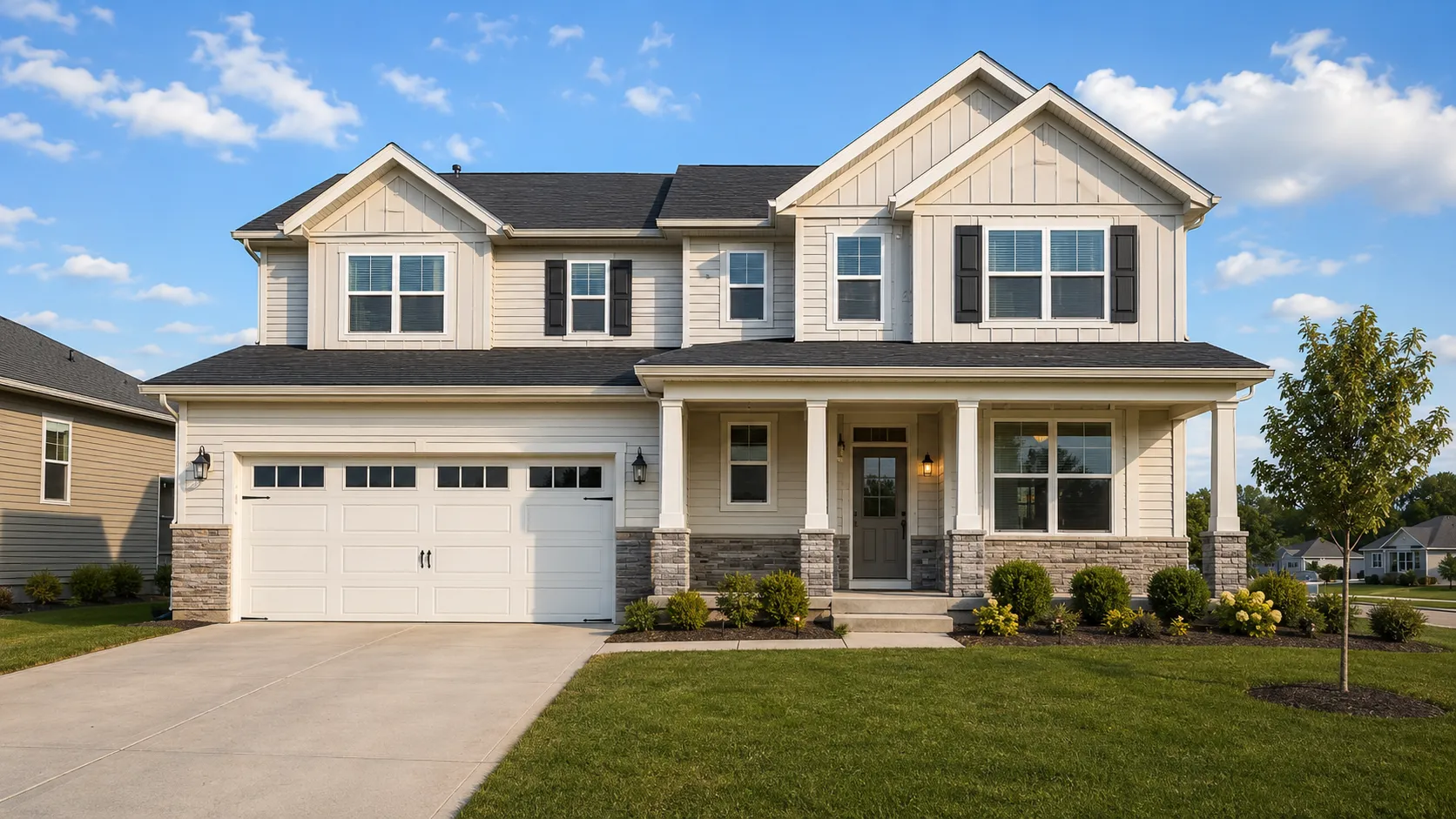
There is a standard order of operations for exterior renovation, and it is backwards. People choose the wall colour, then the door, then discover the roof does not agree with either.
Reverse it. The roof should lead.
Why the roof leads
Three reasons, all structural to the problem:
It is enormous. On a typical pitched-roof house viewed from the pavement, the roof plane is 30–40% of the visible surface. Only the walls are bigger, and on a house with a steep pitch or deep eaves, sometimes not even those.
It lasts three times longer. Paint gets redone every 8–12 years. A roof runs 25–50. Whatever is up there now is the constraint you are designing against for the next two decades, unless you are replacing it in this project.
It is the most expensive surface to change your mind about. Repainting a wall you dislike costs a weekend. Re-roofing costs what re-roofing costs.
What actually pairs
The useful question is not "which roof colour is nice" but "what does this roof colour permit".
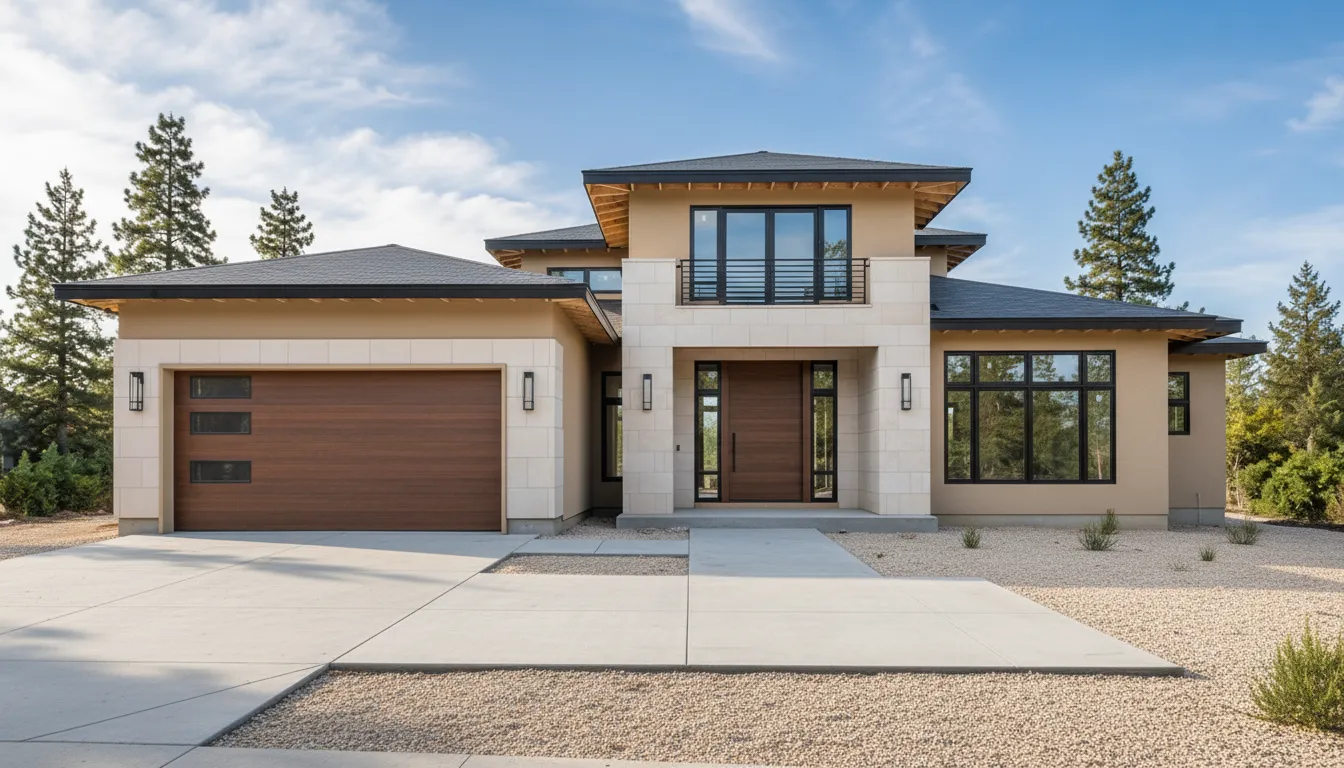
Charcoal or black shingles are the most permissive. They read as neutral and sit under almost any wall colour — white, greige, sage, navy, deep charcoal. If you are replacing the roof and have not decided anything else, this is the option that keeps the most doors open.
Warm brown or weathered wood shingles need warm walls. Creams, warm whites, greige, terracotta, warm sage. A cool grey wall under a brown roof is the single most common exterior mismatch, and it reads as wrong even to people who cannot say why.
Terracotta or clay tile commits the house to a Mediterranean or Southwestern register. Fighting that with a Scandinavian palette does not work; leaning into it does — warm whites, sand, ochre, deep green.
Green, blue or red metal roofs are a strong statement. The walls should go quiet: off-white, warm grey, soft cream. Two statements is one too many.
Sheen and texture count as colour
Two roofs in the same nominal grey read completely differently if one is matte architectural shingle and the other is standing-seam metal. Matte absorbs, metal reflects and shifts with the sky. When you are matching a wall colour to a roof, match it to the roof as photographed on a normal day, not to the sample in the brochure.
The practical sequence
- Photograph the house from where people actually see it — across the street, straight on
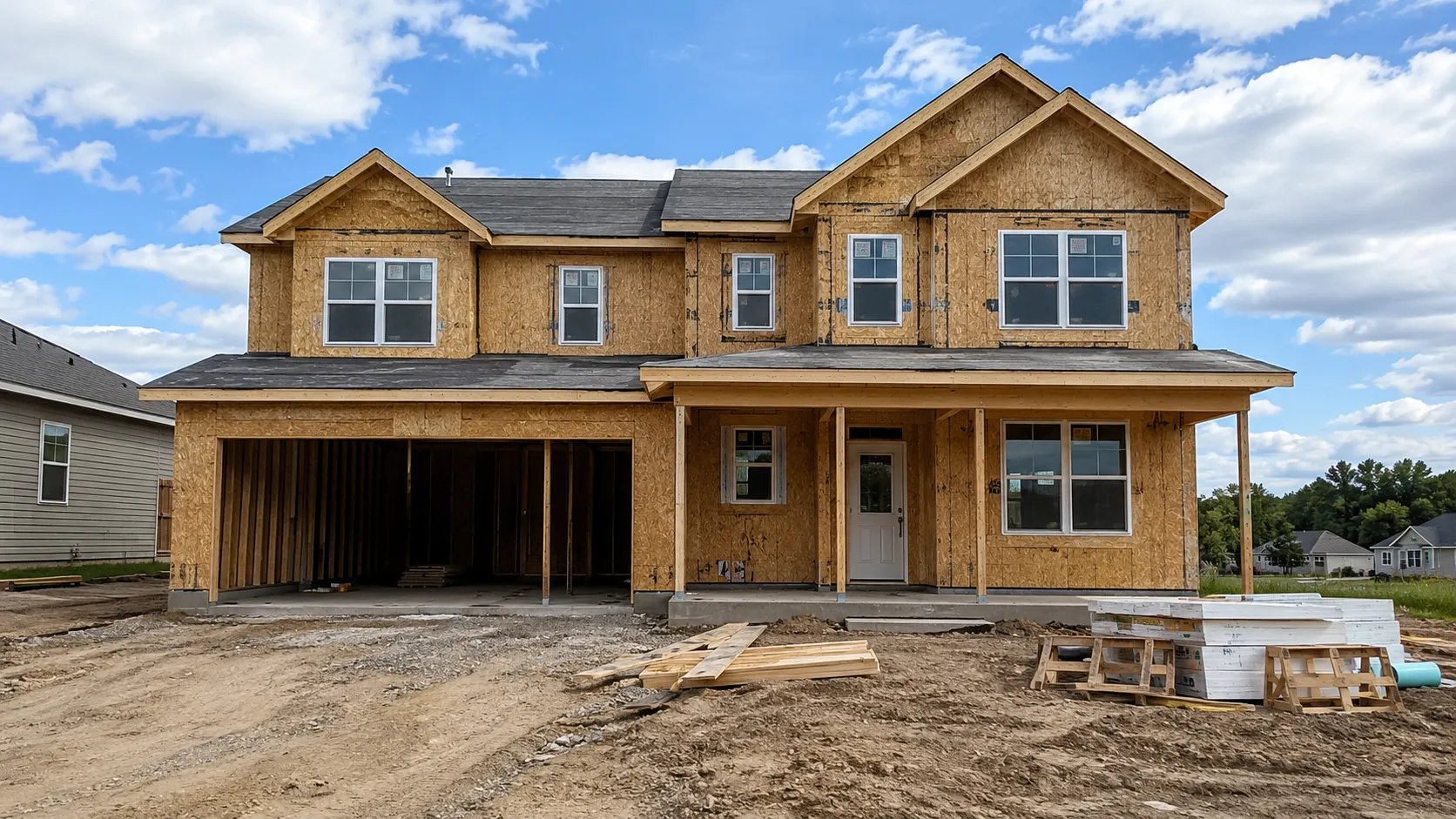
- Decide whether the roof is being replaced in this project or not
- If yes, choose the roof colour first and treat it as fixed
- If no, treat the existing roof as fixed
- Choose field, trim and accent against that fixed point
- Preview all of it on the real photo before ordering anything
Step six is the one that used to be impossible without a rendering budget. It is now ten seconds on a phone, which means there is no longer a good reason to find out on the wall.
Stop imagining it. Look at it.
One photo of your house, and Exterior Snap AI shows you the finished result in about ten seconds.